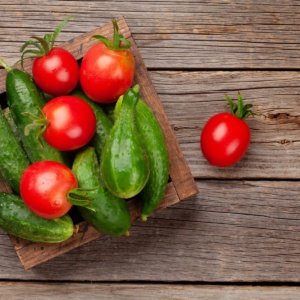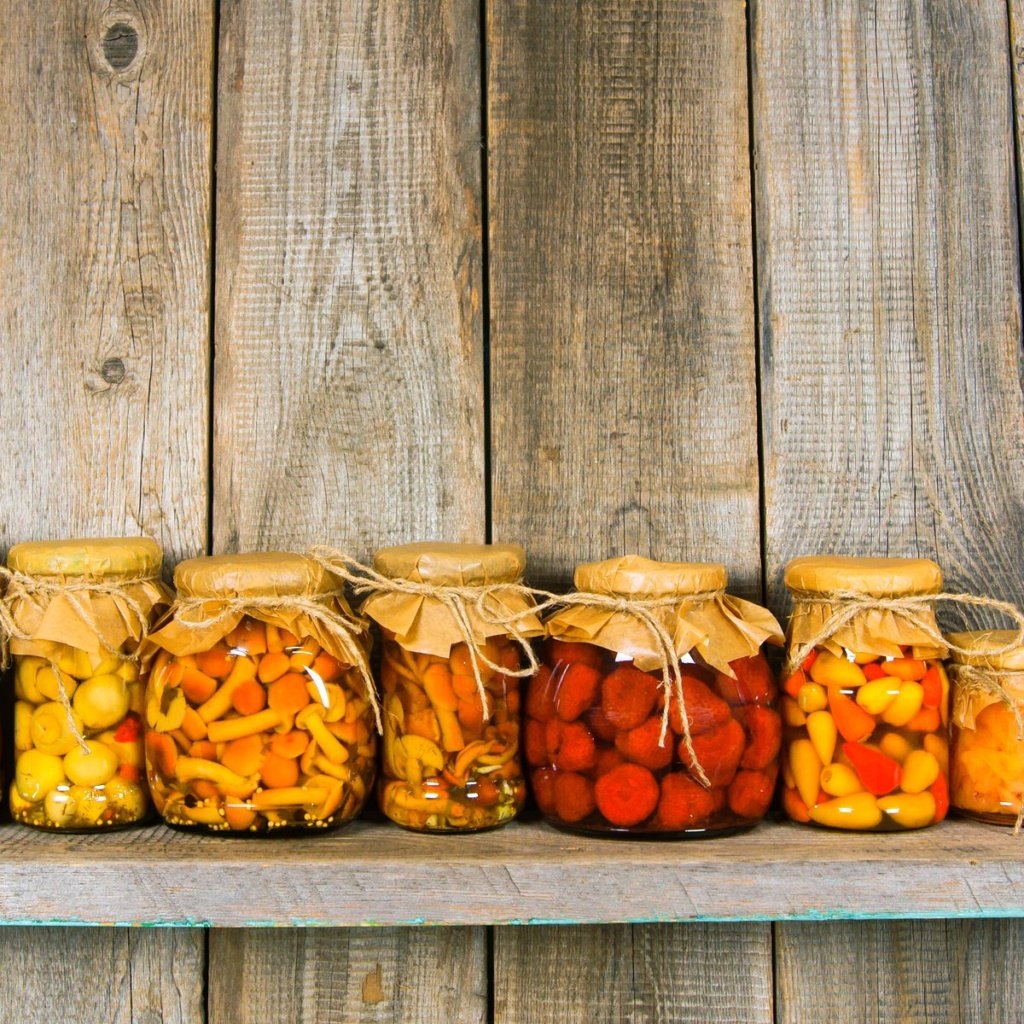
The harvest comes once. The table must be set every day. Between those two realities lies the ancient art of preservation, the bridge that turns a season of abundance into a year of provision. A homestead that grows food but cannot keep it is a homestead that starves in February.
Preservation in Scripture
The principle of storing provision against future need runs through all of Scripture. Joseph did not merely predict the famine. He built storehouses. “And he gathered up all the food of the seven years, which were in the land of Egypt, and laid up the food in the cities” (Genesis 41:48, KJV). The wisdom was not just in the seeing. It was in the storing.
Ellen White saw this principle extending to every household: “Those who can get out of the cities should do so. Many will need to establish themselves in the country, learning to cultivate the soil and make it productive” (Selected Messages, vol. 2, p. 355). Making the soil productive means nothing if the produce spoils before it is eaten.
Methods every homesteader should learn
Water-bath canning. High-acid foods — fruits, tomatoes, pickles, jams — can be safely preserved in a boiling water bath. This is the simplest entry point and the one that fills the most jars quickly.
Pressure canning. Low-acid foods — green beans, corn, meats, soups — require the higher temperatures of a pressure canner to destroy botulism spores. Learn this method thoroughly. Follow tested recipes without deviation.
Dehydration. A solar dehydrator or a simple electric model can dry herbs, fruits, vegetables, and jerky. Dried goods store compactly and last for years. Sun-drying is the oldest method and still works perfectly in dry climates.
Fermentation. Sauerkraut, kimchi, pickles, and kvass are more than preserved vegetables. They are living foods teeming with beneficial bacteria. Fermentation requires only salt, time, and clean containers.
Root cellaring. A cool, dark, humid space underground can keep root vegetables, apples, cabbages, and winter squash for months without any processing at all. The root cellar was the original refrigerator.
Freezing. Where electricity is reliable, freezing preserves flavor and nutrition better than any other method. But it is the most vulnerable to power failure, so it should supplement other methods, not replace them.
The rhythm of putting by
Preservation is not a weekend project. It is a rhythm that follows the growing season. Strawberries in June, tomatoes in August, apples in October. Each harvest has a window, and the prepared homesteader moves through it with jars washed, lids ready, and the canner on the stove.
“Go to the ant, thou sluggard; consider her ways, and be wise: which having no guide, overseer, or ruler, provideth her meat in the summer, and gathereth her food in the harvest” (Proverbs 6:6–8, KJV). The ant does not wait for instructions. She works while the harvest is available. So should we.