Leaving the city does not mean leaving the need for income. It means restructuring where that income comes from and how much of it you actually need. A homestead with low overhead, no consumer debt, and multiple small revenue streams is more financially secure than a city household with a six-figure salary and expenses to match.
The biblical framework
“But thou shalt remember the Lord thy God: for it is he that giveth thee power to get wealth” (Deuteronomy 8:18, KJV). Wealth in Scripture is not luxury. It is the capacity to provide for your household and bless others. Financial stewardship on the homestead begins with recognizing that every resource belongs to God and is entrusted to us for His purposes.
Ellen White wrote plainly about industry and economy: “All should learn to keep accounts. Some neglect this work as nonessential, but this is wrong. All expenses should be accurately stated” (The Adventist Home, p. 374). Know what comes in. Know what goes out. Eliminate what is unnecessary.
Cottage industries
The homestead itself is the foundation of multiple income streams. What you produce beyond your own needs can be sold or traded.
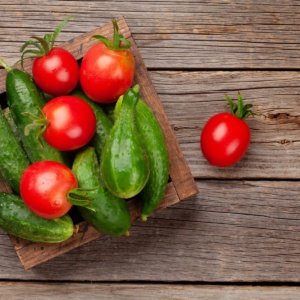
Market gardening. Fresh produce sold at farmers’ markets, through CSA shares, or to local restaurants. Even a quarter acre of intensive production can generate meaningful income.
Value-added products. Jams, pickles, dried herbs, honey, soap, candles, beeswax wraps, herbal salves. These products command higher margins than raw produce and can be made in a home kitchen.
Baked goods. Fresh whole-grain bread, granola, and baked goods made from home-milled flour sell themselves at any market.
Eggs, milk, and dairy. Where local regulations permit, farm-fresh eggs, raw milk, cheese, and yogurt are in high demand.
Firewood and lumber. A managed woodlot produces a renewable cash crop that requires no planting and no irrigation.
Skills and teaching. Homesteading skills are in demand. Teach classes on food preservation, soap making, gardening, herbal medicine, or breadmaking. Write guides. Offer farm tours.
Remote and digital work
Not all income needs to come from the land. Remote work — freelancing, consulting, digital products, online teaching — can supplement homestead income without requiring a commute or a city address. The key is to keep it secondary. The land should be the primary occupation; digital work fills the gaps.
The tithe and generosity
“Bring ye all the tithes into the storehouse, that there may be meat in mine house, and prove me now herewith, saith the Lord of hosts, if I will not open you the windows of heaven, and pour you out a blessing, that there shall not be room enough to receive it” (Malachi 3:10, KJV).
Financial stewardship begins with returning to God what is His. The tithe is not an expense. It is an act of faith that unlocks provision. A household that is faithful in this will find that the remaining ninety percent goes further than the hundred percent ever did.
Live simply. Owe nothing. Produce what you can. Sell the surplus. Give generously. And trust the Lord with the rest.