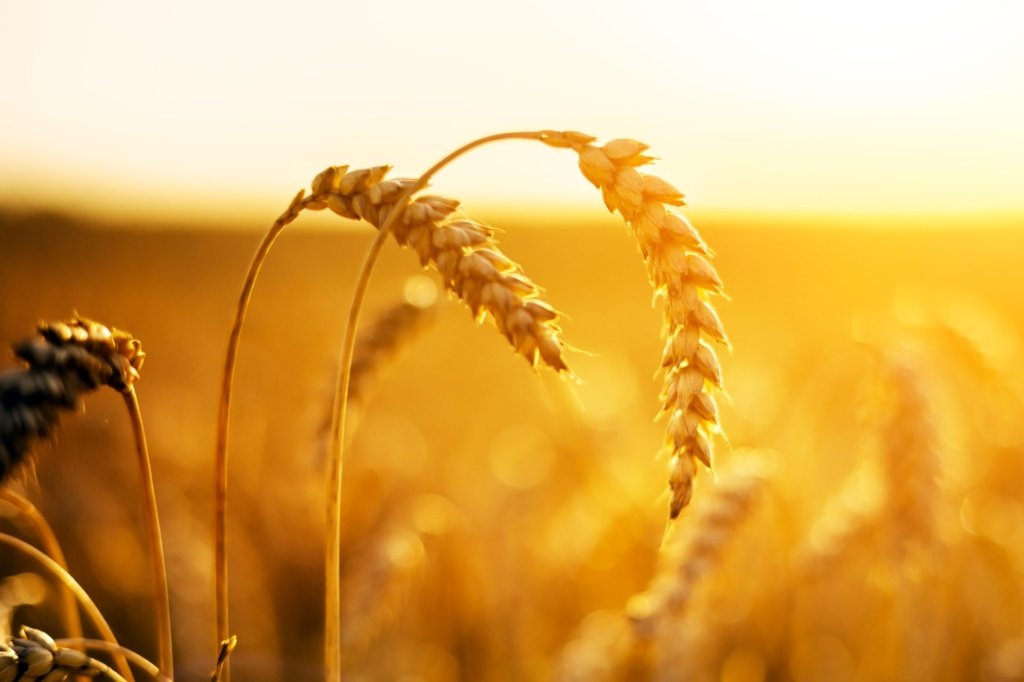
There was a time when every household knew what to do with a sack of wheat. The grain was stored whole, ground as needed, and baked the same day. The bread that came from that process was alive with nutrients that vanish within hours of milling. We have traded that knowledge for convenience, and the trade has cost us dearly.
The staff of life
Scripture calls bread the staff of life for a reason. “And Jesus said unto them, I am the bread of life: he that cometh to me shall never hunger” (John 6:35, KJV). When Christ chose bread as the symbol of His own body, He chose something that every listener understood as essential, daily, and irreplaceable.
Ellen White wrote extensively about the importance of whole grains and proper bread-making: “For use in bread making, the superfine white flour is not the best. Its use is neither healthful nor economical. Fine-flour bread is lacking in nutritive elements to be found in bread made from the whole wheat” (The Ministry of Healing, p. 300).
Why whole grains matter
Commercial flour is stripped of its bran and germ, then bleached and enriched with synthetic vitamins to replace what was removed. Whole grain, ground fresh, retains the full spectrum of B vitamins, vitamin E, minerals, fiber, and essential fatty acids that God put there in the first place.
Wheat berries, stored properly in sealed containers with oxygen absorbers, can remain viable for decades. A fifty-pound bucket of hard red winter wheat costs a fraction of what the equivalent weight of flour would, and it keeps almost indefinitely.
Choosing a grain mill
A hand-cranked grain mill is the foundation. It works without electricity, grinds wheat, corn, oats, and rice, and will outlast any appliance in your kitchen. Electric stone-burr mills are faster for daily use, but the hand mill is the backup that never fails.
Start with wheat, then expand. Oats, barley, millet, spelt, and corn each bring something different to the table. Learning to work with multiple grains gives your household variety and resilience.
Baking as daily practice
Bread baking is not difficult, but it is a skill. It must be practiced. Learn to make a basic whole wheat loaf, then branch into flatbreads, tortillas, crackers, and porridges. A family that can turn raw grain into a meal is a family that will not go hungry.
“In the study of hygiene, the earnest teacher will improve every opportunity to lead students to see the necessity of perfect cleanliness both in personal habits and in surroundings, and the importance of a diet that sustains life and health” (Education, p. 200). The grain mill is where that education begins.